
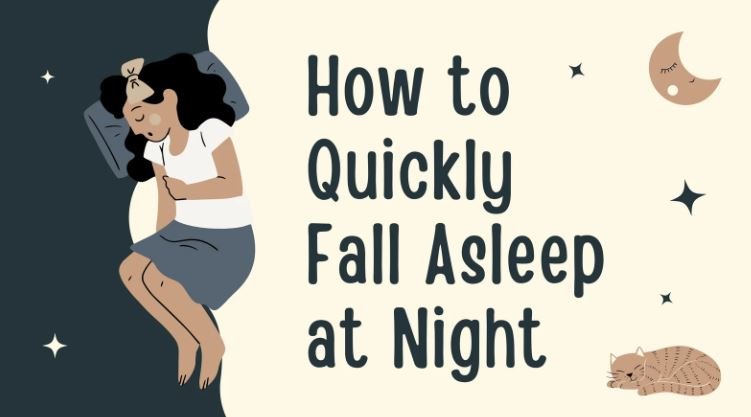
How to Fall Asleep Faster At NIght: Why Sleep Matters More Than You Think
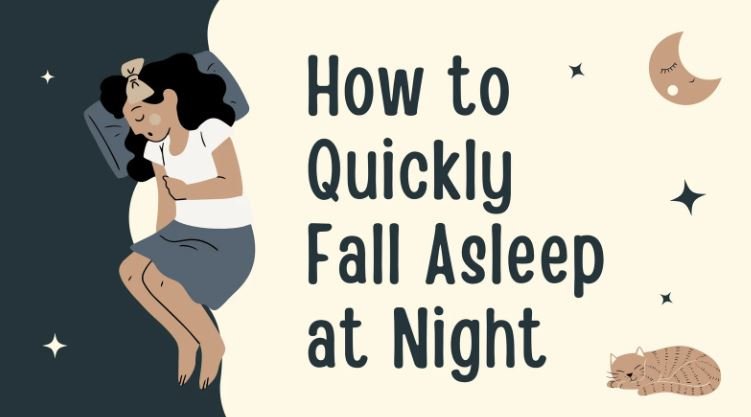
We’ve all been there — lying in bed, eyes wide open, tossing and turning while the clock seems to tick louder every second. If you’re wondering how to fall asleep faster at night, you’re not alone. Millions of people struggle with delayed sleep, which affects mood, focus, productivity, and even long-term health.
The good news? With a few practical tweaks to your evening habits, you can drift off to dreamland in record time — no fancy gadgets, no expensive supplements, just science-backed tips and lifestyle changes. In this post, we’ll cover why better sleep matters, what’s keeping you awake, and step-by-step ways to train your body to relax and fall asleep quickly.
Why How to Fall Asleep Faster at Night is Important
Getting enough sleep isn’t just about feeling rested — it’s a cornerstone of physical, mental, and emotional health. When you fall asleep faster, you:
Boost brain function → Improved memory, problem-solving, and decision-making.
Regulate mood → Less irritability, better emotional stability.
Strengthen immunity → Your body repairs and regenerates during deep sleep.
Support healthy weight → Sleep regulates hunger hormones, reducing cravings.
Enhance productivity → Wake up energized and ready to tackle your day.
A faster bedtime routine means more quality sleep, which can transform your mornings, boost focus, and improve your overall lifestyle.
Common Challenges People Face When Trying to Fall Asleep Faster
Even if you know the importance of sleep, several factors can keep you from drifting off quickly:
- Overstimulation before bed → Scrolling on your phone or watching intense TV shows keeps your brain wired.
- Stress & anxiety → Racing thoughts make it hard to relax.
- Caffeine & late-night snacking → Both can keep your body alert when it should be winding down.
- Poor sleep environment → Bright lights, uncomfortable bedding, and noise can delay sleep.
- Irregular sleep schedule → Going to bed at different times confuses your body’s internal clock.
Step-by-Step Tips for How to Fall Asleep Faster at Night
Let’s break it down into actionable steps you can start today:
- Set a Consistent Sleep Schedule
Go to bed and wake up at the same time every day — yes, even on weekends. Your body loves routine.
- Limit Screen Time Before Bed
Blue light from phones and laptops tricks your brain into thinking it’s still daytime. Try no screens at least 1 hour before bed.
- Create a Wind-Down Routine
Train your brain to recognize it’s bedtime by doing calming activities like:
Reading a physical book
Gentle stretching or yoga
Listening to soft music or white noise
- Optimize Your Sleep Environment
Make your bedroom a sleep sanctuary:
Keep it cool (18–22°C is ideal)
Use blackout curtains to block light
Invest in a comfortable mattress and pillows
- Watch Your Evening Diet
Avoid caffeine after 3 PM and heavy meals late at night. Instead, try calming snacks like:
Warm chamomile tea
A banana (contains sleep-friendly magnesium)
Almonds
Natural & Simple Remedies to Fall Asleep Faster
You don’t always need pills to sleep better. Here are natural solutions:
Breathing exercises → Try the 4-7-8 method: inhale for 4 seconds, hold for 7, exhale for 8.
Aromatherapy → Lavender essential oil has been shown to promote relaxation.
Herbal teas → Chamomile, valerian root, and passionflower tea are mild, natural sleep aids.
Light stretching → Gentle stretches help release muscle tension.
Best Practices & Techniques for Sustainable Sleep
If you want long-term results, follow these sleep hygiene principles:
- Reserve your bed for sleep only — Avoid working or eating in bed.
- Get morning sunlight — Natural light helps regulate your circadian rhythm.
- Limit alcohol — While it may make you sleepy, it disrupts deep sleep.
- Move your body daily — Regular exercise improves sleep quality (but avoid intense workouts close to bedtime).
Myths vs. Facts About How to Fall Asleep Faster at Night
Myth Fact
Drinking alcohol before bed helps you sleep It may make you sleepy, but disrupts REM sleep
You can catch up on sleep on weekends Sleep debt can’t be fully repaid; consistent sleep is key
Lying in bed longer will make you fall asleep If you can’t sleep in 20 min, get up and do something relaxing
Warm bedrooms help you sleep Cooler temperatures actually promote faster sleep onset
Conclusion & Call-to-Action
Learning how to fall asleep faster at night is one of the most valuable skills you can develop for better health, mood, and daily performance. By making small, consistent changes — like reducing screen time, creating a calming bedtime routine, and improving your sleep environment — you can train your body to relax and drift off naturally.
Better sleep means better mornings, and better mornings mean better days. 🌙
💡 Want more practical, everyday wellness tips? Follow OversizedSync for proven lifestyle advice, health hacks, and inspiration to help you live your best life — starting with a good night’s sleep.
Related Keywords Used:
Sleep better at night
Quick sleep tips
Natural sleep remedies
Improve sleep quality
Bedtime routine for better sleep
Relaxation techniques before bed
Sleep hygiene tips
Fall asleep quickly
Better night’s rest